

Inclusive design done right.
It's good for users, it's good for business


Inclusive digital experiences, designed with intention.
Web Content Accessibility Guidelines
European accessibility act
Americans with Disabilities Act
Brazilian Inclusion Law
Gone are the days of inaccessible interfaces, and it's time to take notice
inclusive design
- Support accessibility readiness for the standards and laws that apply to your business.
- Reduce avoidable barriers and usability friction.
- Create reusable accessible patterns that are easier to maintain and scale.
1 in 6
people worldwide
experience significant disability, according to WHO estimates published in 2023. *
95.9%
of tested homepages
had detectable WCAG failures in the 2026 WebAIM Million automated study. Automated analysis is partial. *
Continuous practice
accessibility
Design systems, content, development and testing all contribute to inclusive experiences.
No matter how small, details can have a big impact, even for those without any disability
before

- Readability: low contrast ratio for small text
- Visibility: low contrast ratio for graphical objects
- Issue for dyslexics with text in all caps
- Dependable on face recognition without people's name
after
- Higher contrast ratio for improved visibility
- Capitalized words
- Name for each person
- Visual details to improve visibility

accessibility laws compliance
Accessibility matters worldwide. Your business can't afford to ignore it.

ADA Guidelines - USA
What is it?
The Americans with Disabilities Act (ADA) provides guidelines for businesses and organizations to ensure that people with disabilities can access and use their services and facilities.
Who does it affect?
Obligations depend on the entity and service. The Title II WCAG rule covers US state and local governments; private businesses have different Title III obligations that require a separate assessment.

EAA Guidelines - Europe
What is it?
The European Accessibility Act (EAA) standardizes accessibility requirements for products and services across the European Union, fostering an inclusive digital market.
Who does it affect?
Covers specified products and services, including certain banking, transport and e-commerce services. Exclusions and national implementation rules apply; it does not cover every website.

Brazilian Inclusion Law
What is it?
Law nº 13.146/2015 (Statute of the Person with Disabilities) establishes mandatory digital accessibility for company websites in Brazil to ensure equal rights and access.
Who does it affect?
Article 63 addresses websites maintained by companies with headquarters or commercial representation in Brazil and by government bodies. Applicability to your circumstances should be assessed.
our work
We've done this before, you can easily see the result within our works
saas / platforms
Coming soon
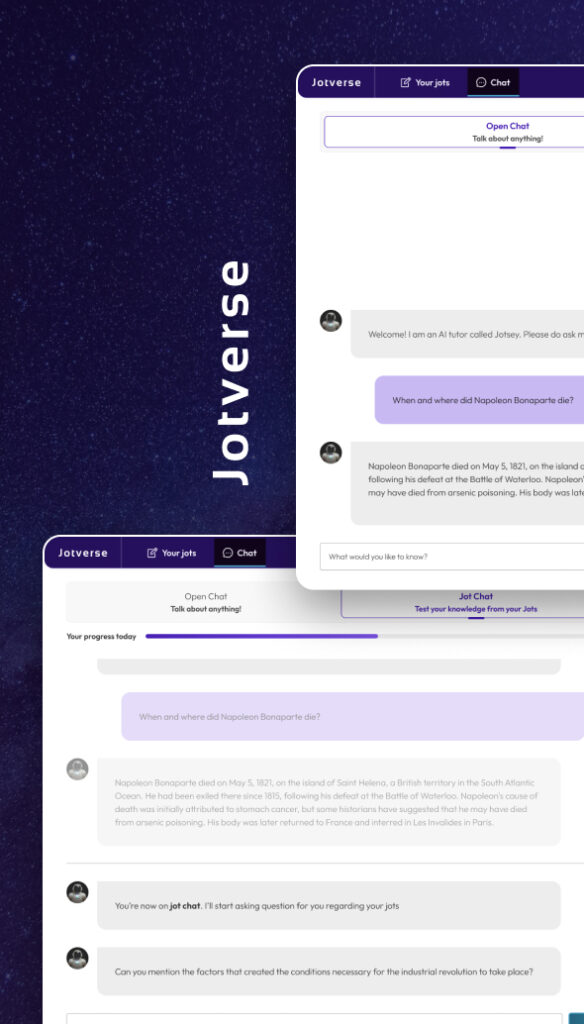
Starting from scratch an edTech startup based on AI - Jotverse

platforms
Coming soon
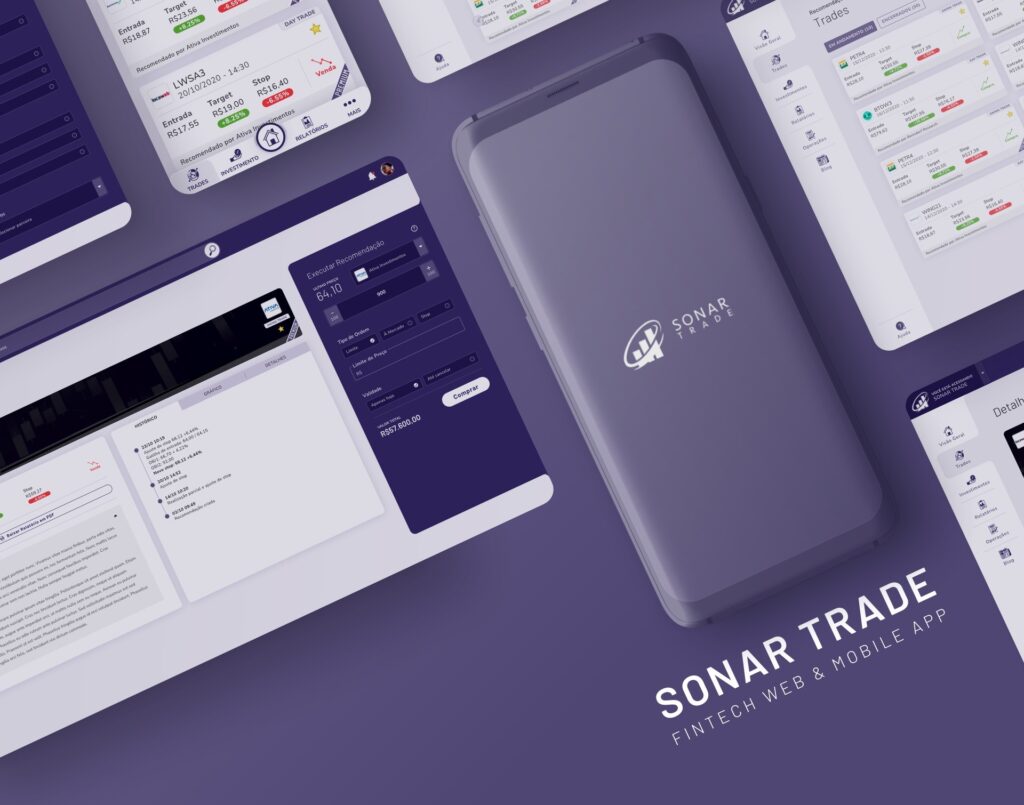
Outsource design for e-commerce agency
why choose us
What makes us a great choice to be your accessibility expert partner
a trustworthy team
- User-centric process from start to end, taking behavior design as our guide
- Experience with data heavy and complex products
- Only senior designers with experience in a variety of industries
- Proven record of success projects and deadlines met
- Small but focused team that brings an easier communication
- Closely working with marketing partner to generate more revenue
clients and testimonials
And our clients can vouch for us




Pengreen met our high expectations while helping us bring complex information into a scalable interface.
FAQ
Any questions?
We commonly evaluate web and product interfaces against WCAG, using WCAG 2.2 Level AA as a useful modern benchmark when appropriate. The exact criteria depend on the product, market, applicable regulations, and project scope. WCAG is a technical standard, not a single universal law.
An audit identifies barriers and provides a prioritized remediation plan. Legal obligations vary by country, industry, organization, and product, and an audit alone does not guarantee compliance. Where legal interpretation is needed, work with qualified counsel.
No. Automated tools are useful for detecting some problems, but they cannot establish complete conformance. Manual keyboard, screen-reader, content, and interaction checks—and usability research with people with disabilities where appropriate—provide additional evidence.
Not necessarily. Many issues can be addressed through focused changes to components, content, focus order, forms, or interaction behavior. We assess whether reusable patterns or design-system changes can correct issues across the product.
As early as possible. Including accessibility in discovery, design systems, content, design reviews, and QA generally reduces avoidable rework. Existing products can also improve incrementally using a prioritized roadmap.
No. It covers specified products and services—such as certain banking, transport, and e-commerce services—and includes exclusions and rules that may vary with national implementation and business size. The applicability of a specific website should be assessed rather than assumed.
PRICING
Ready to rock? We offer a flexible pricing that fits your need
UX Expert Review
Is your application too confusing or not user-friendly? Do you want an expert in-depth review of the usability of your app?